top of page
Environment based on a piece of media
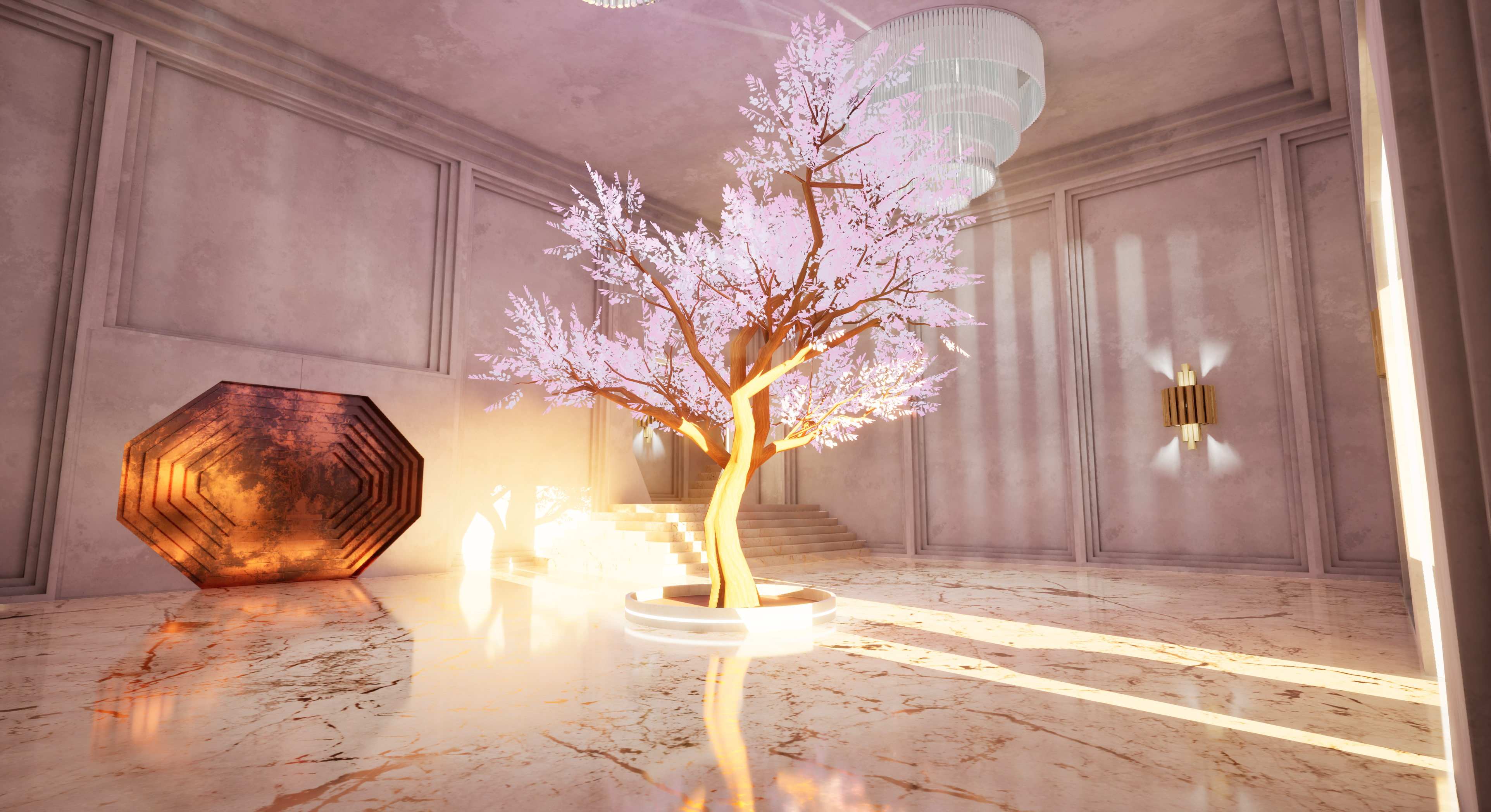
My goal for this project was to create an ultra-realistic scene that closely resembles Mon Mothma's apartment from the Star Wars show Andor, as stated in my pre-production document. I achieved this by utilising three core components. The first was PBR texturing. Physically Based Rendering textures create stunning visuals by using individual channels, such as base colour, roughness and metallic, to define a material's style. This allows the material to render accurately and adaptively under all lighting conditions. This leads to the second core component, which was arguably the most important to me: lighting. Achieving perfect lighting was crucial to creating the right mood and tone for the scene. The third technology was one that I personally developed for two reasons: modularity and optimisation. It is a Master Material framework that replaces the traditional use of multiple materials for every model. This let me fine-tune my materials, thus improving the scene.
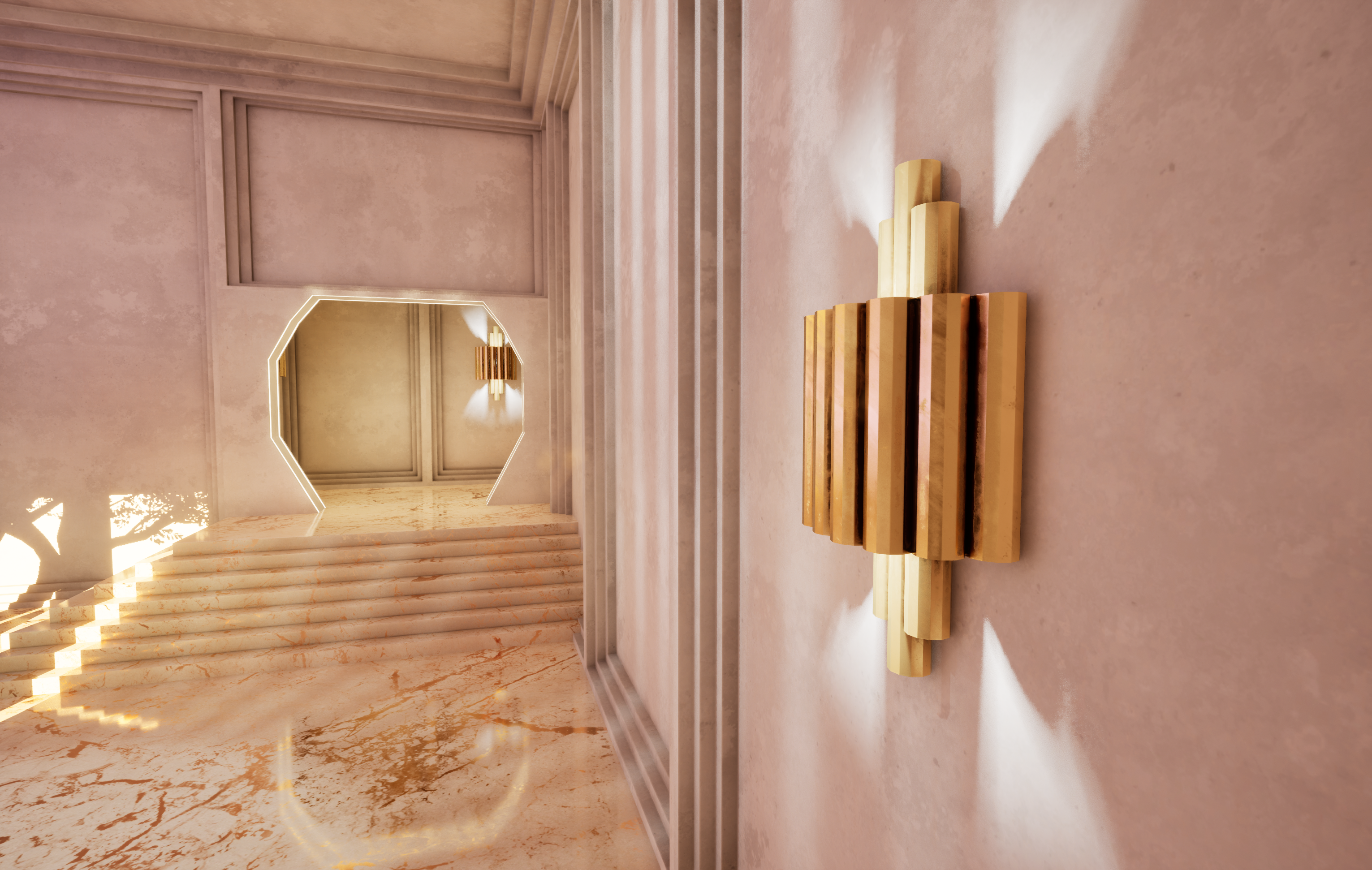
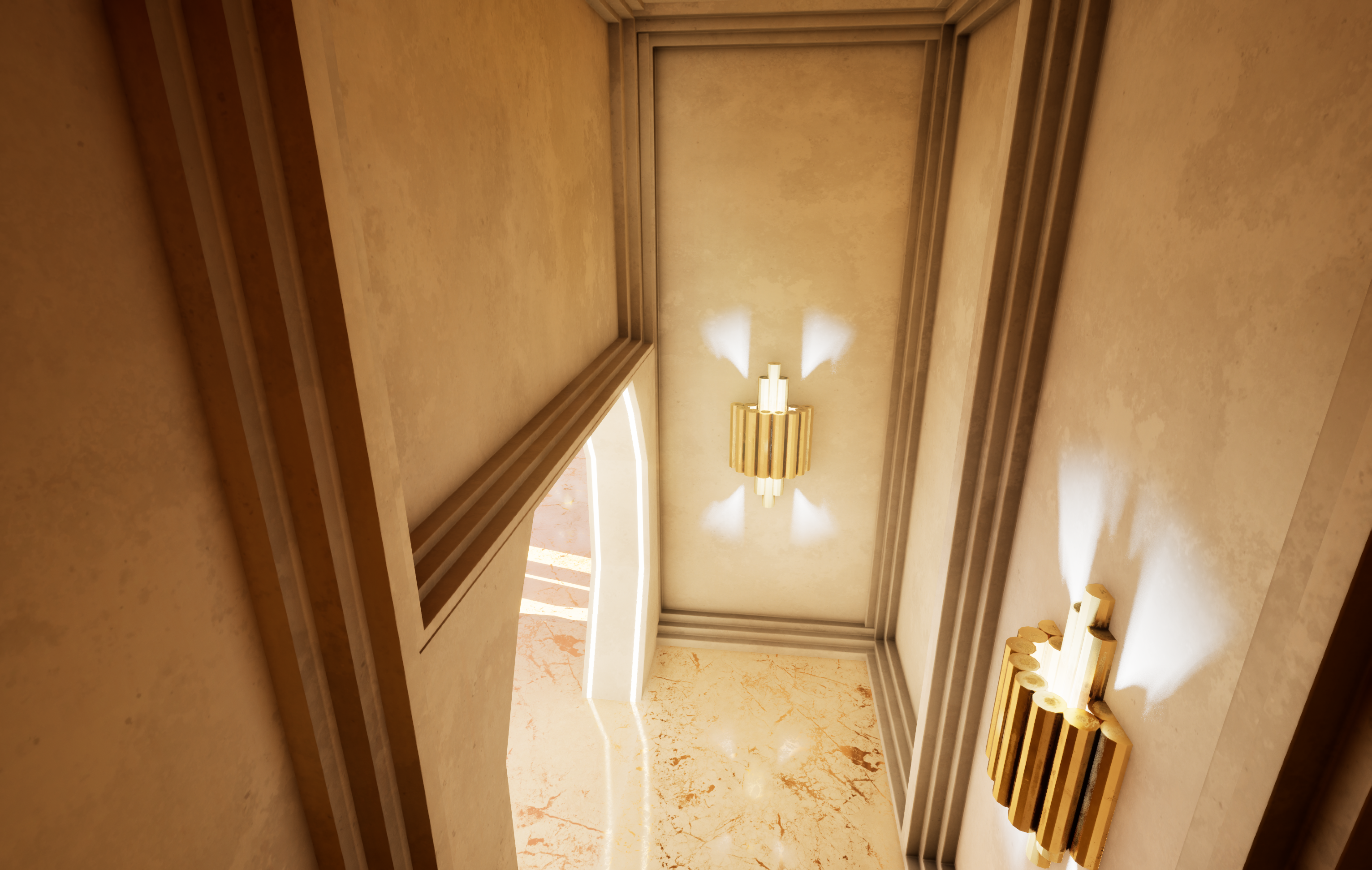
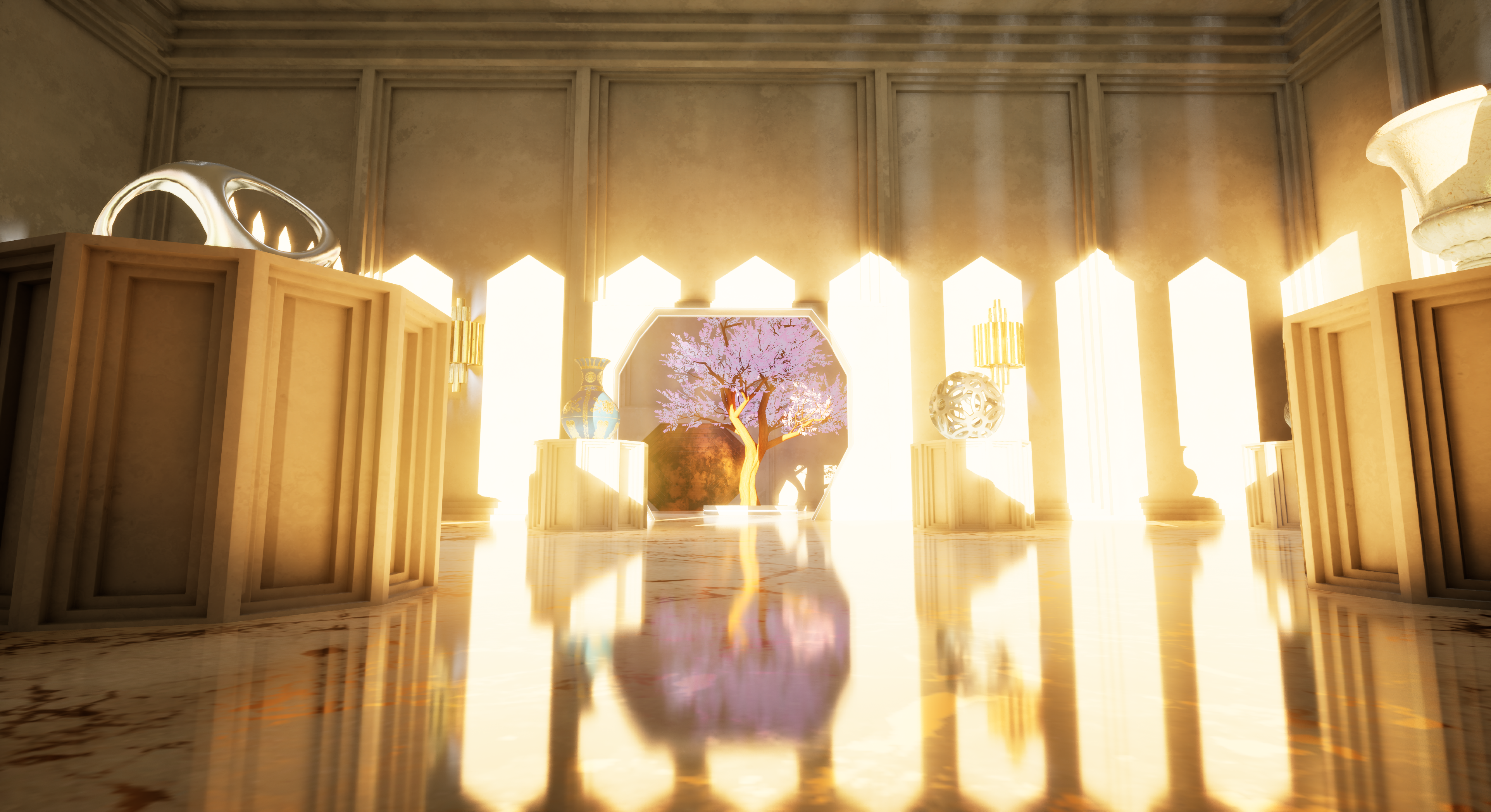
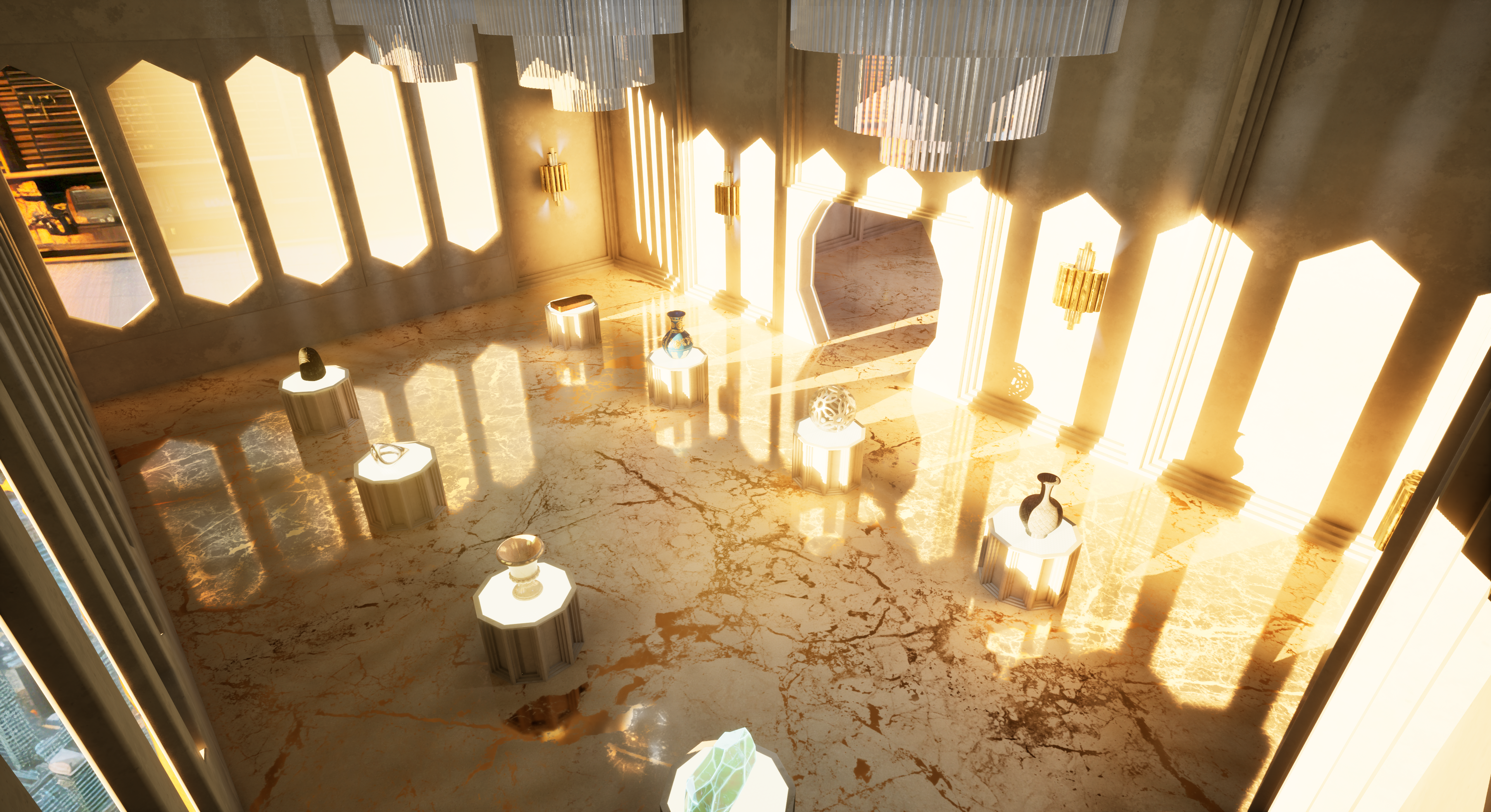
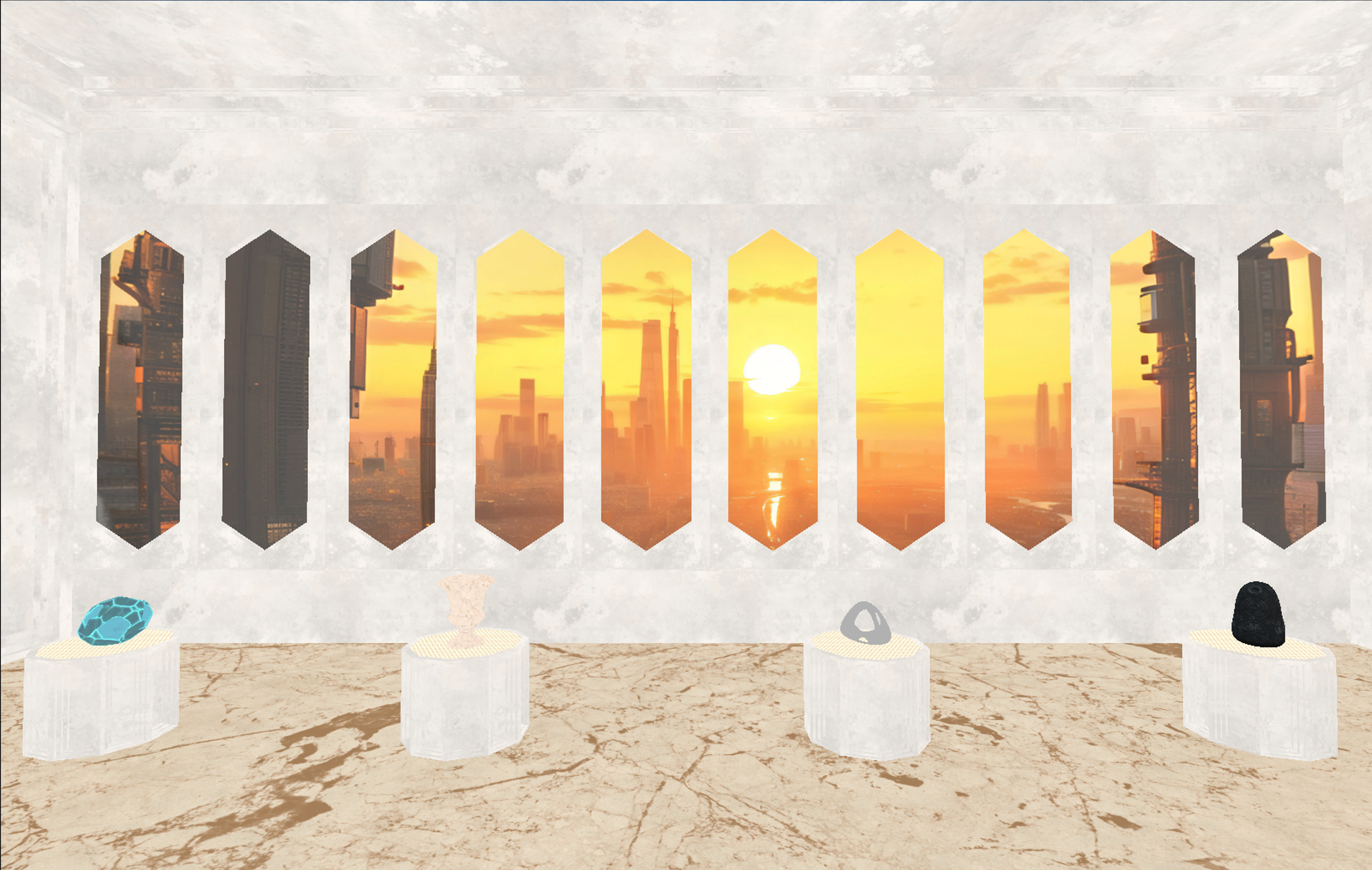
I achieved the lighting using a directional light, multiple point lights, and a post-process volume. I combined the directional light with a skybox created by Edws (fab.com) to create a stunning sunset. I tweaked the light's saturation values and compared the output to the sun in the skybox, making them look almost identical. The plan was to have the light burst through the large windows in the gallery area, and it worked perfectly. I chose this colour scheme for one word: hope. Mon Mothma represents hope in Andor. Coruscant is a dark, cold planet, so I wanted to create a sense of hope that points directly into the gallery. Point lights are also featured throughout the scene as chandeliers and wall sconces. For the doorways, art displays, and tree planters, I used emissive materials to create light strips very similar to those featured in the show.
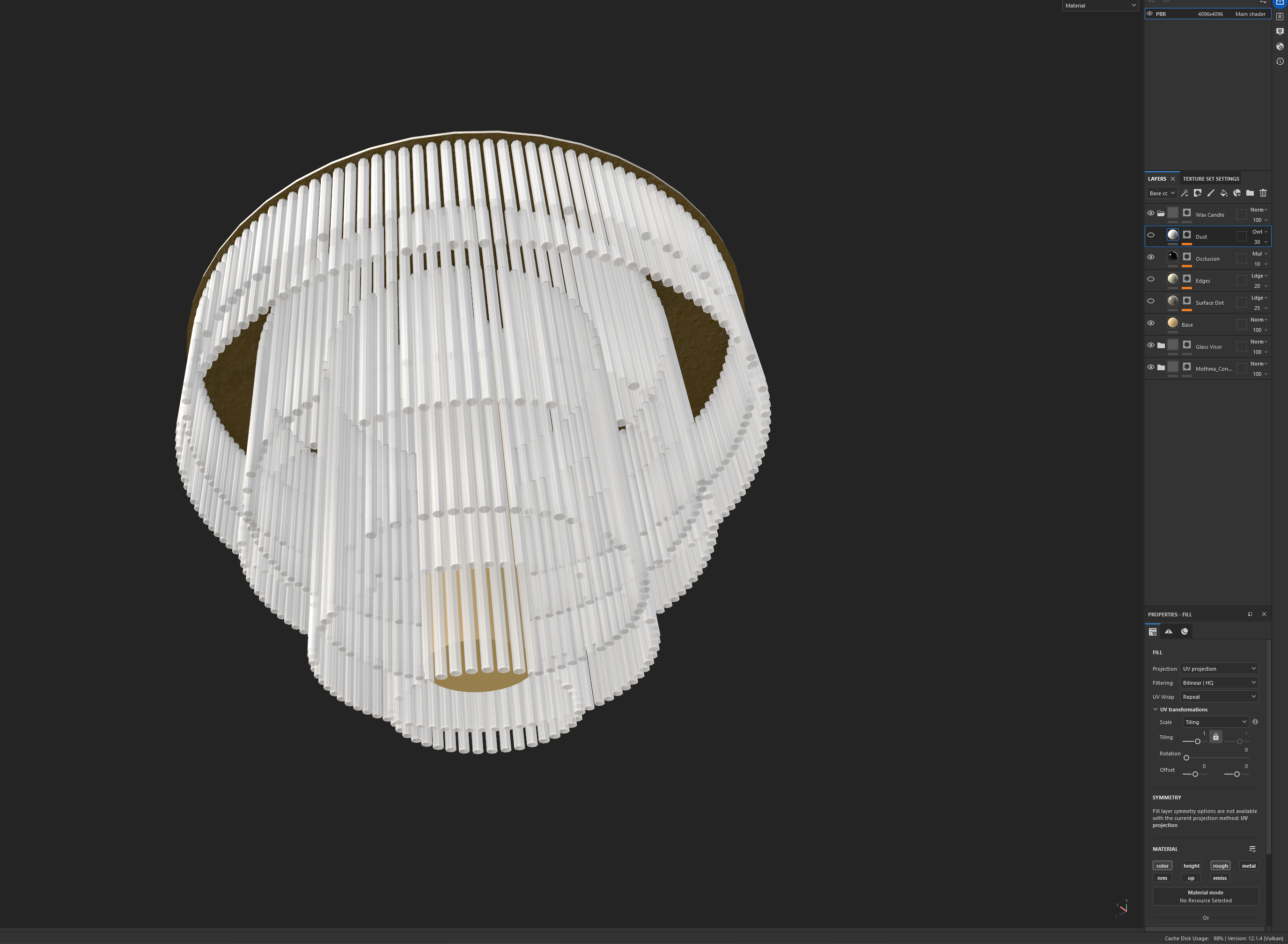
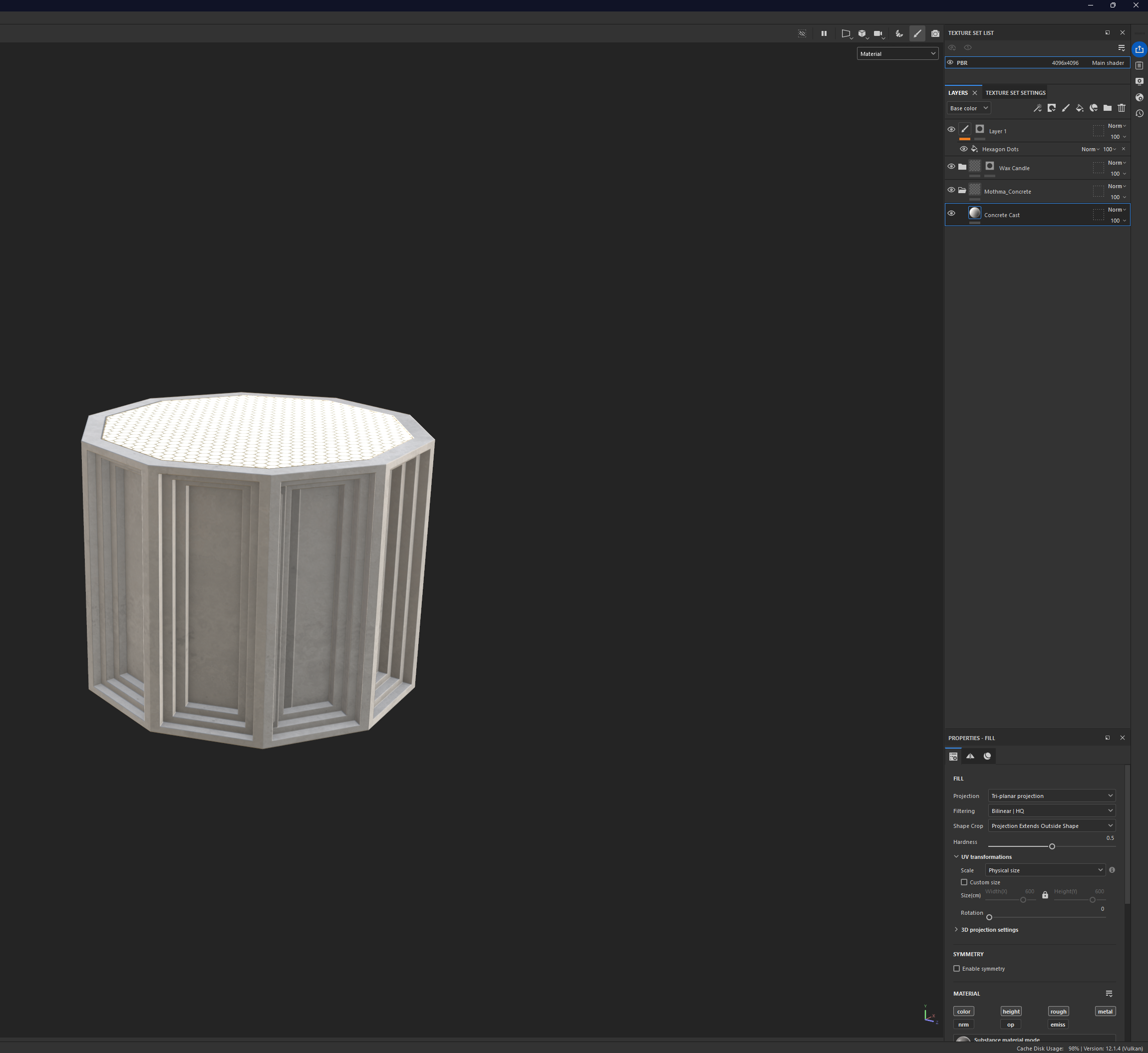
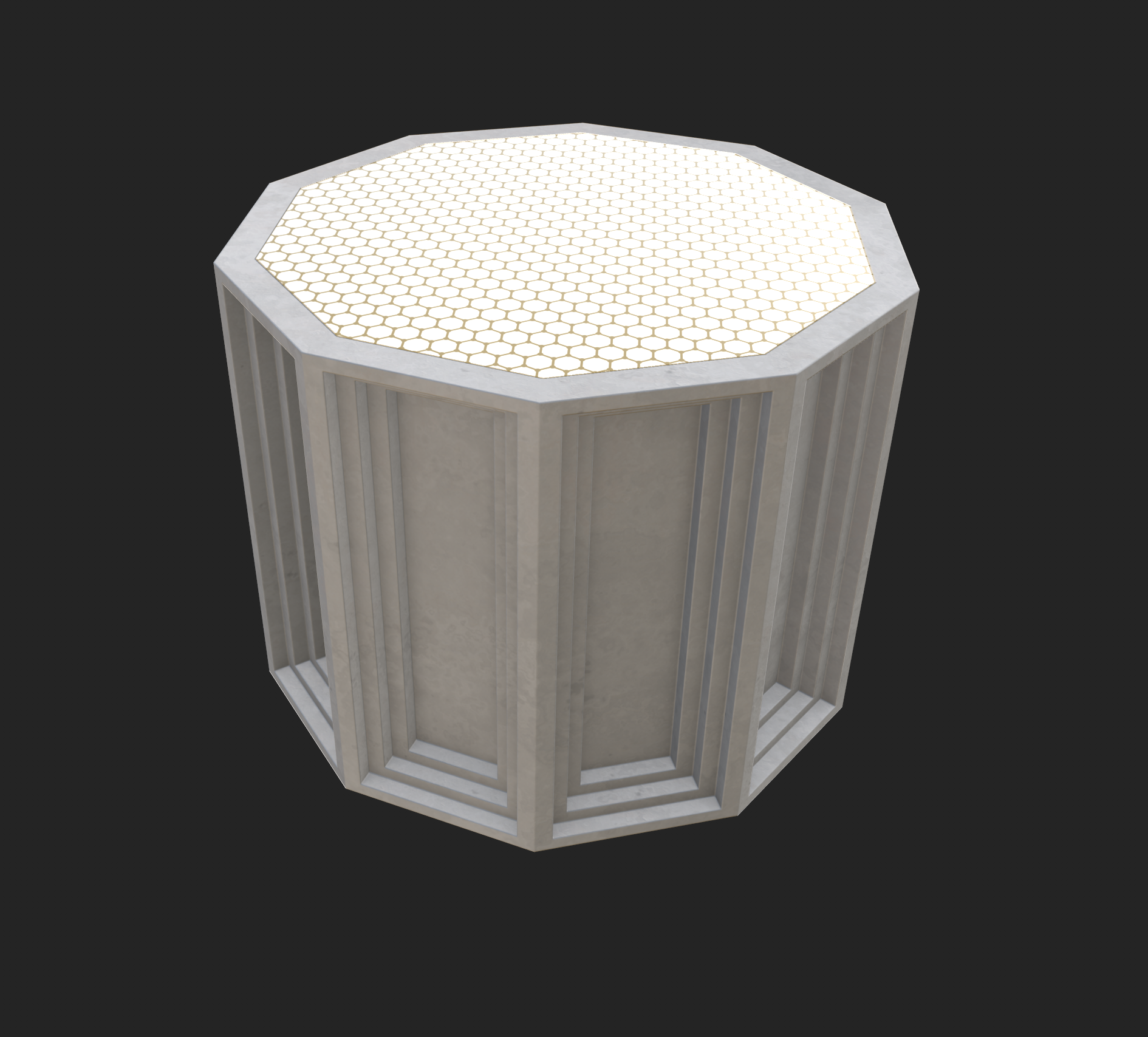
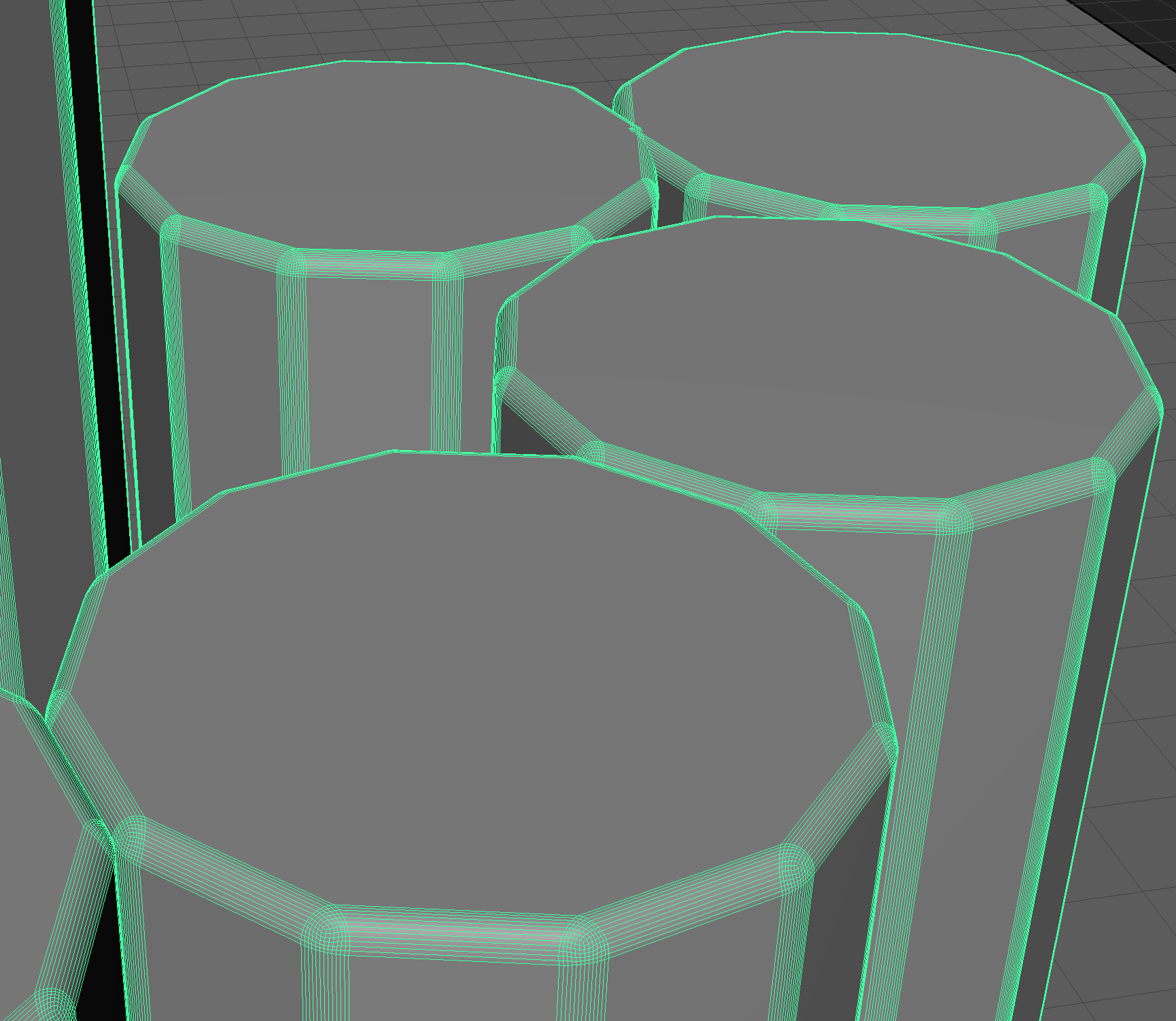
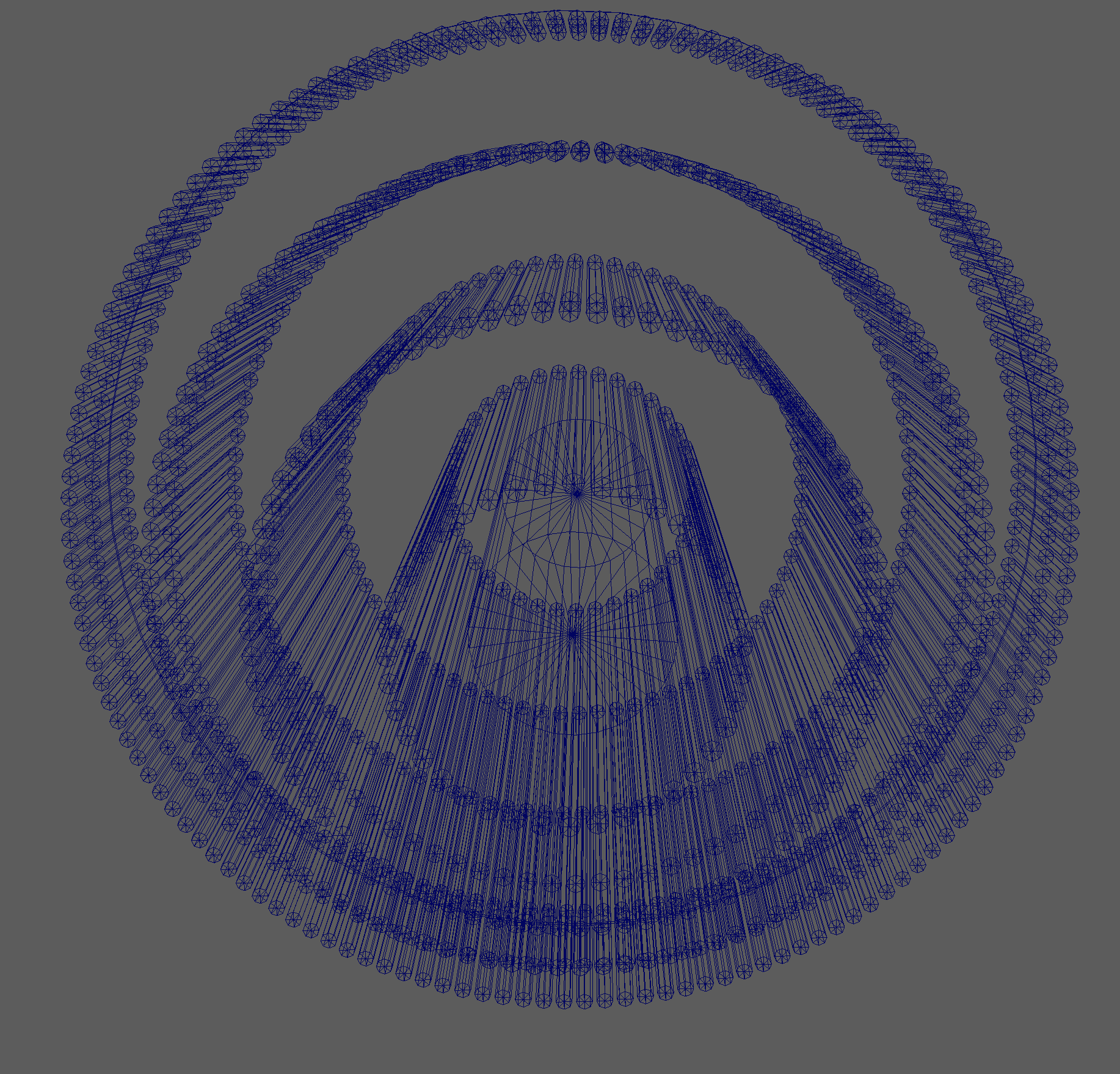
I also used high-to-low poly baking, an industry-standard workflow for optimisation. It works by creating a model and duplicating it. One is the low-poly, with a relatively low or medium poly count and good topology for the game engine to handle. The other copy is the high-poly, which includes all the major details that would be too complex or too expensive to include in the low-poly. In my case, I wanted smoothed-out edges because without them, the edges would be too sharp and look very unrealistic. This works by 'baking' the details of the high-poly model onto the low-poly model, effectively imprinting them. I used Substance Painter for all my texturing, as it offers excellent baking, extensive material customisation, and a range of libraries.
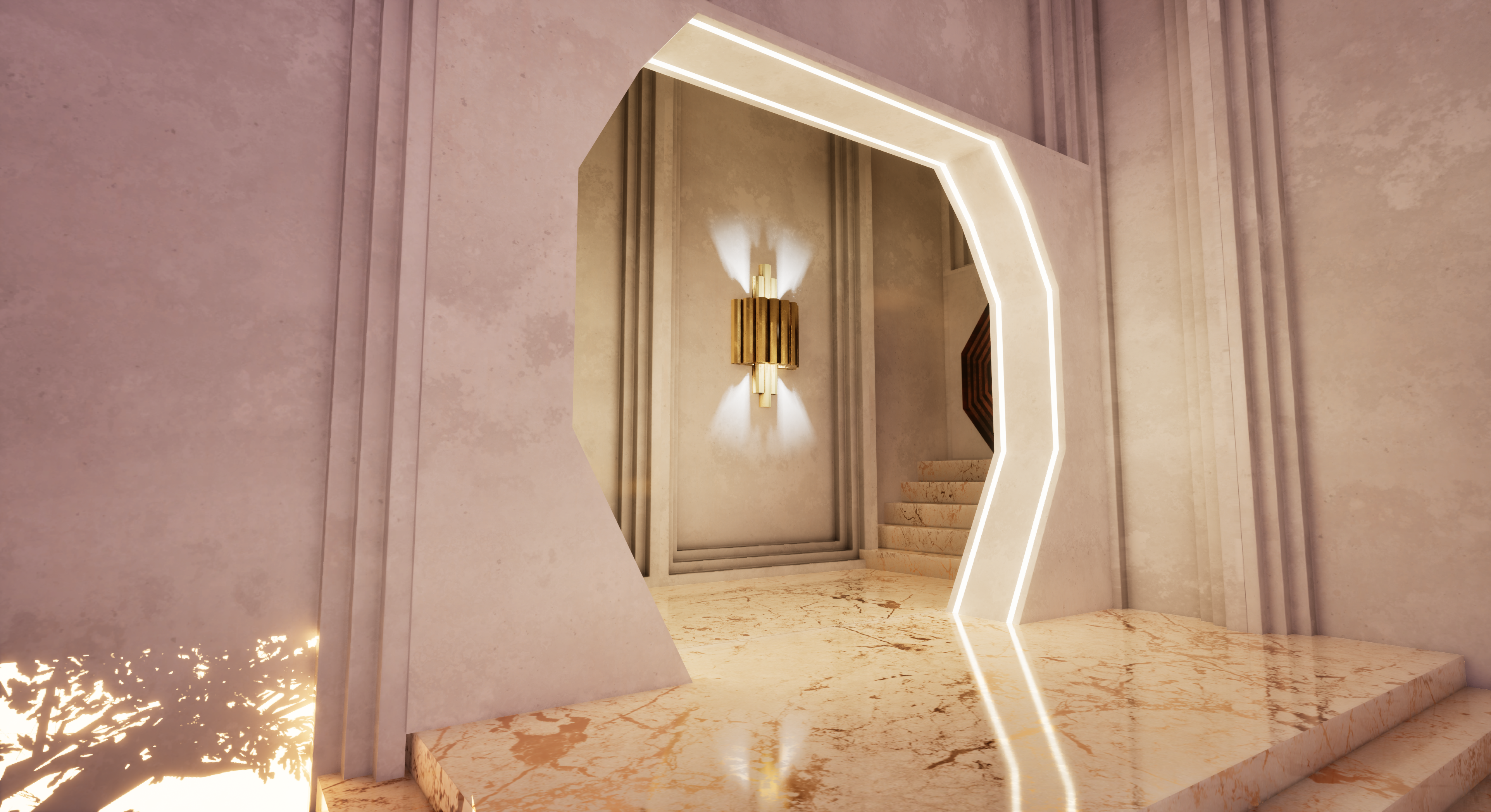
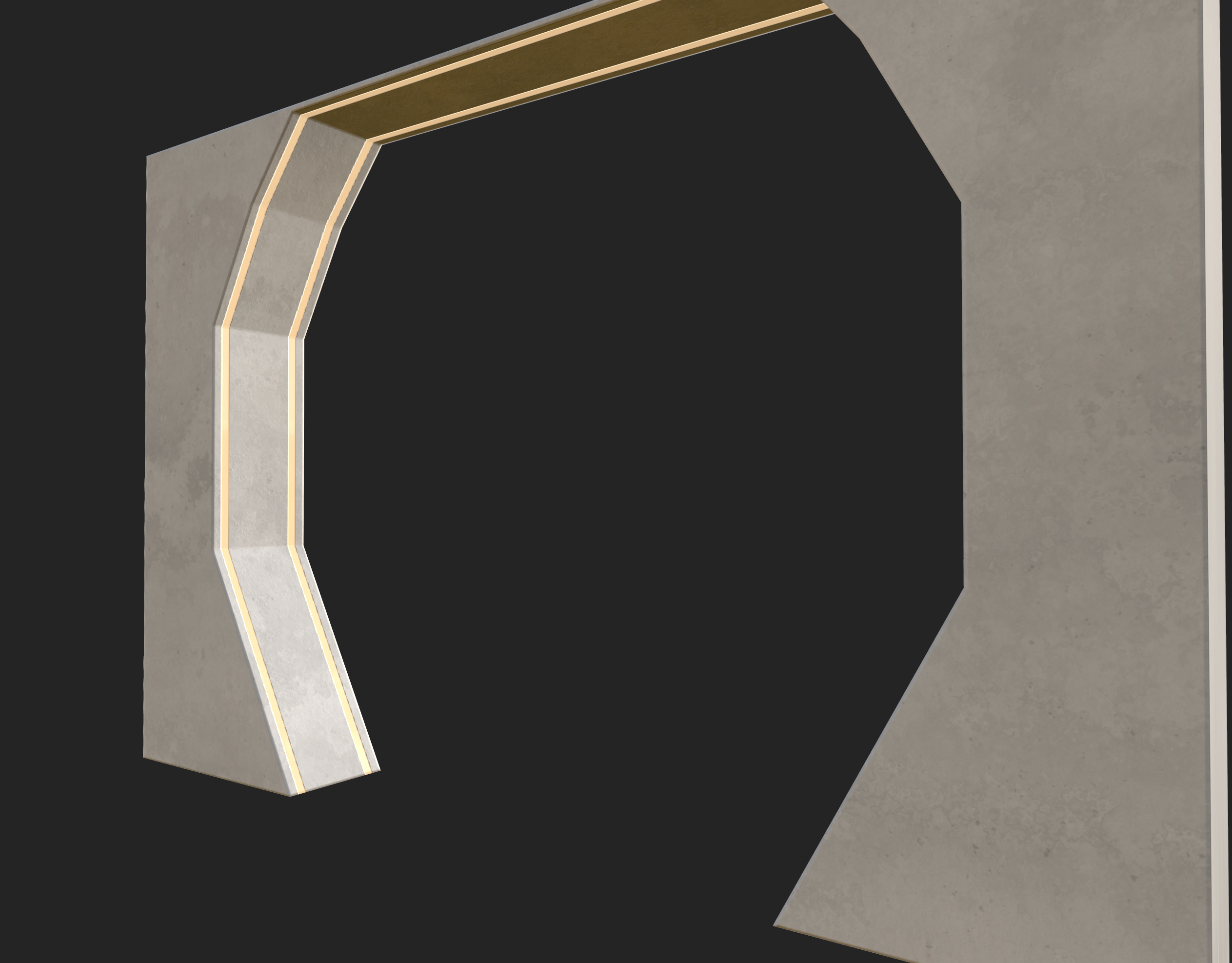
The biggest issue I faced within this project was creating the doorway. My original approach was to create a cylinder with the correct shape and use a Boolean operation to cut a hole in a plane. However, each time I tried this, Maya would leave messy topology on the plane that was beyond saving. Luckily, I found a workaround: I used a plane and the Multi-Cut modifier to get the shape, then extruded it. Unfortunately, I didn't have enough time to create the display artefacts myself, so I resorted to using free assets from the Fab marketplace.
Overall, the project met my standards, reflecting my concerted effort to enhance visual appeal through precise adjustments in lighting and asset placement, even if only by a few pixels. It has far exceeded my initial expectations. Initially, I only had the concept but lacked a detailed plan. Using a basic greybox for simple lighting tests in Maya felt overwhelming. At first, however, this method made the process more manageable. As my first attempt at environmental art, I think this is a very solid project. My first main strengths are my models and lighting. I'm very happy with the models, and, combined with the high bakes, they're fantastic. The master material system I created using material functions let me work faster and more efficiently across assets, which I'm proud of. I spent a lot of time refining the lighting, using a Directional Light and a Sky Atmosphere to simulate a sunset, which reflected perfectly across the scene.
Project type
Environment, Props, Level Design
Date
2026
Role
Project Lead, Artist, Designer
Software
Unreal Engine 5, Autodesk Maya, Adobe Substance Painter, Marmoset Toolbag
Features
Lighting, Master Material, High-to-low poly baking
External Resources
Fab (Epic Games)
Category
University

01
Environment based on a piece of media

01

02

03
Gallery Render

04
Gallery Render 2

05
Lobby Render

06
Entryway Render

07
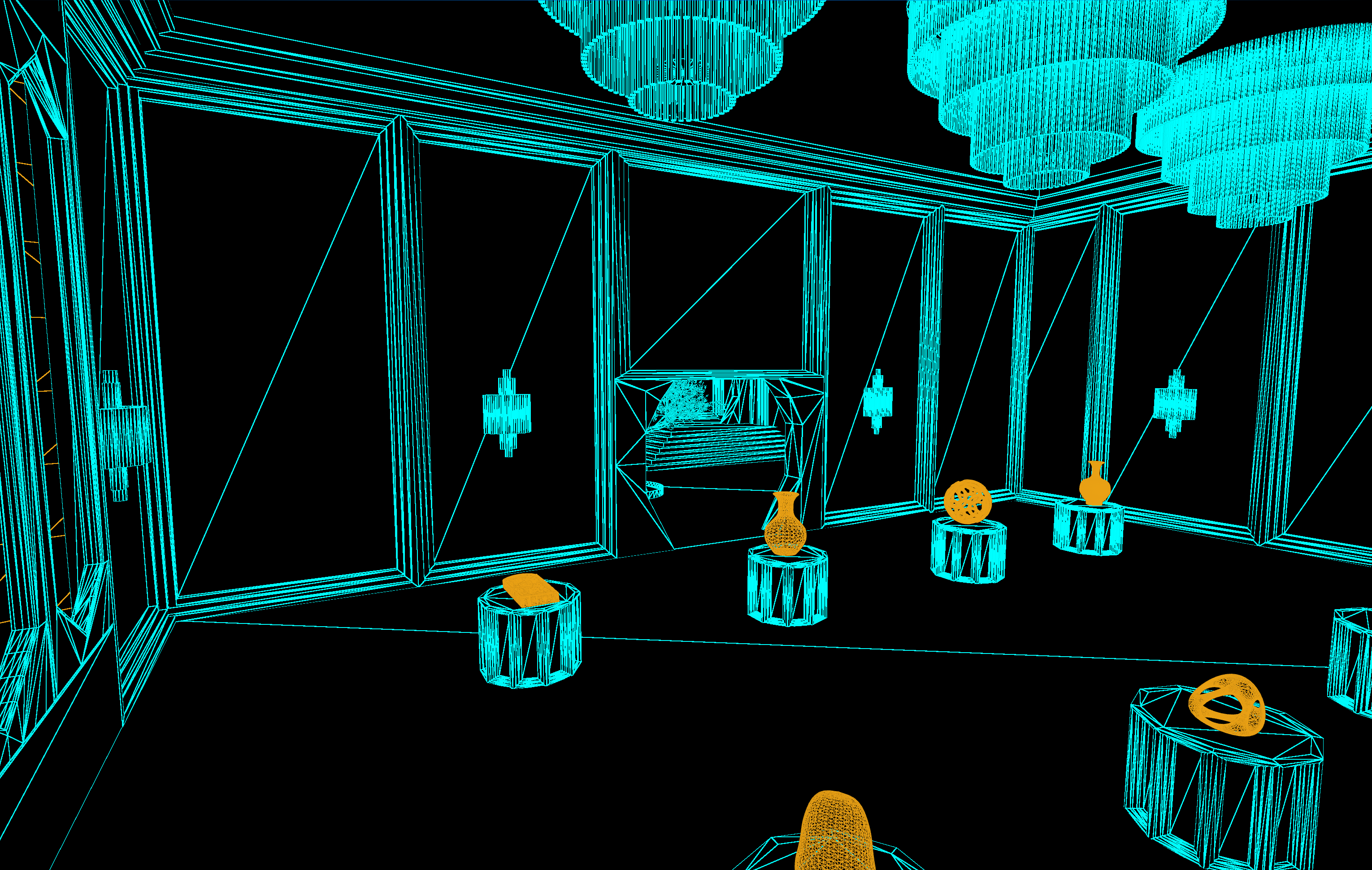
Engine Wireframe

08
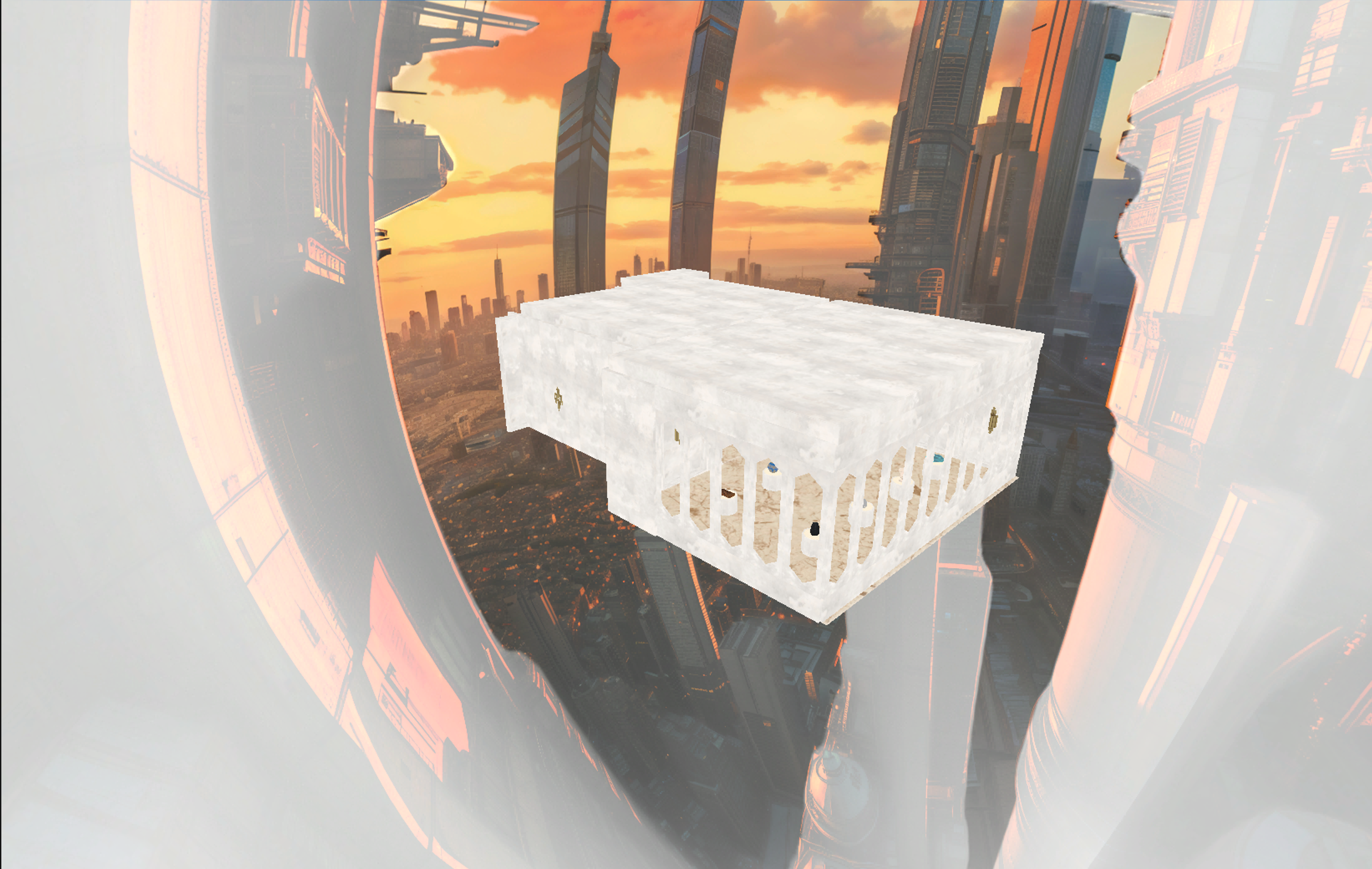
Exterior View (Unlit)

09
Gallery Render (Unlit)

10
Chandelier in Substance Painter

11
Pedestal in Substance Painter

12

13
Doorway in Substance Painter
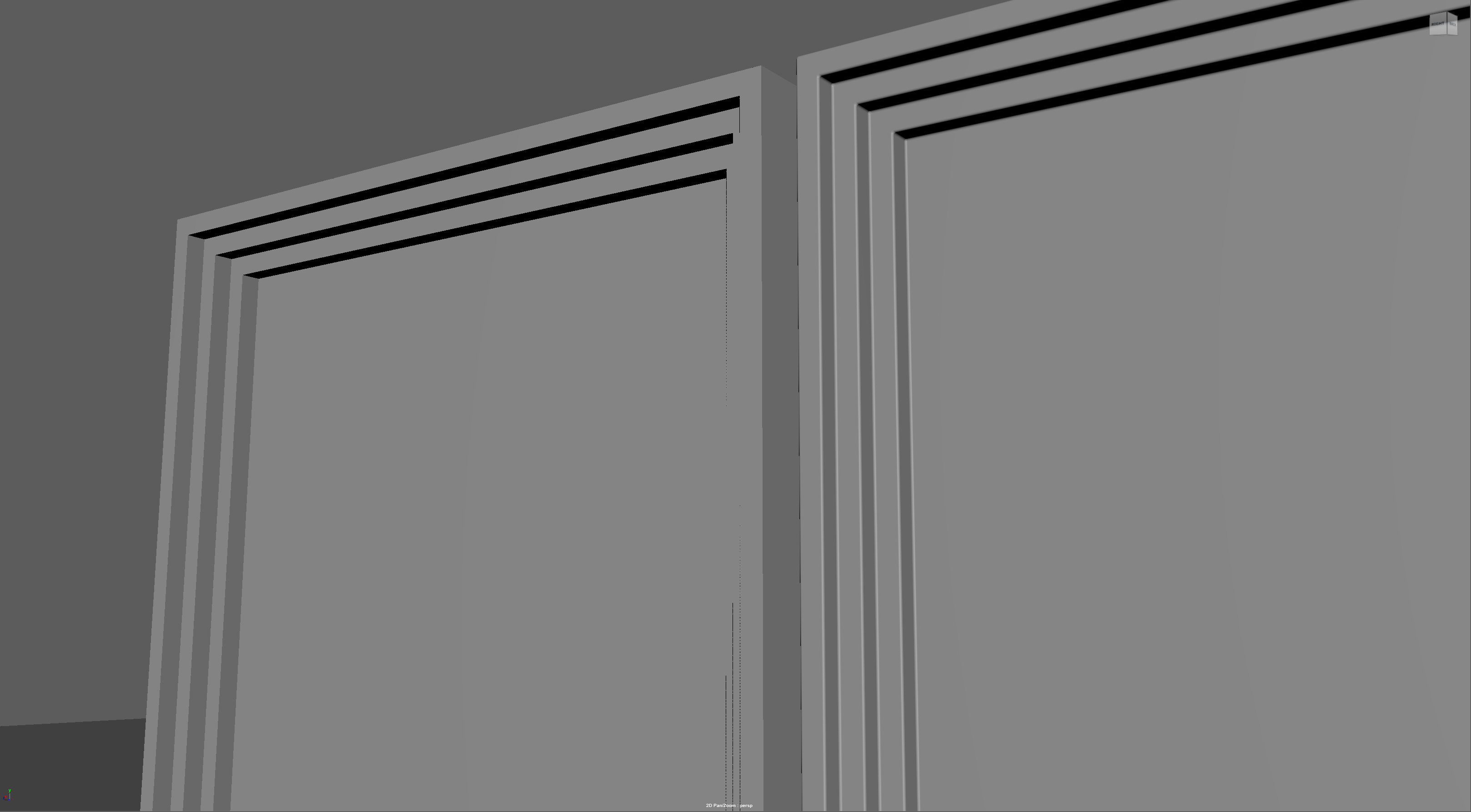
This was one of the bigger challenges I faced. In the show, Mon Mothma's apartment features octagonal doorways with light strips along the inside. My first hurdle was figuring out how to achieve the perfect shape whilst keeping it symmetrical. The solution I eventually came up with was to divide a plane into squares and use the multi-cut tool to cut out the desired shape. Then I would simply extrude the plane into a 3D doorway. For the light strips, I used a connect tool along the inside to create the slits for the lights. Then it was just a matter of separating the UVs and applying an emissive material to the desired polygons.

14

15

16

17
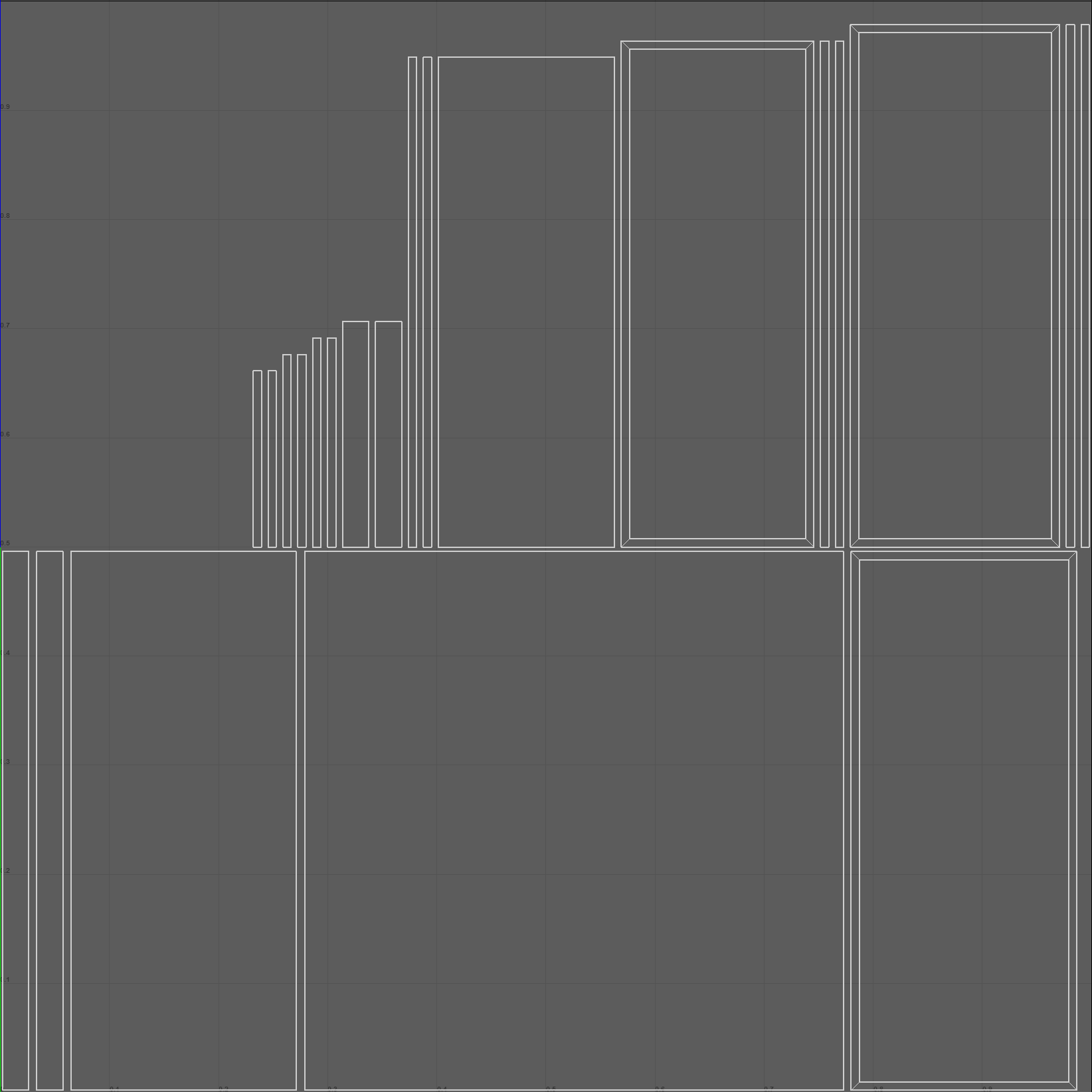
UV Unwrap
This is one of the wall models

18
Asset Export
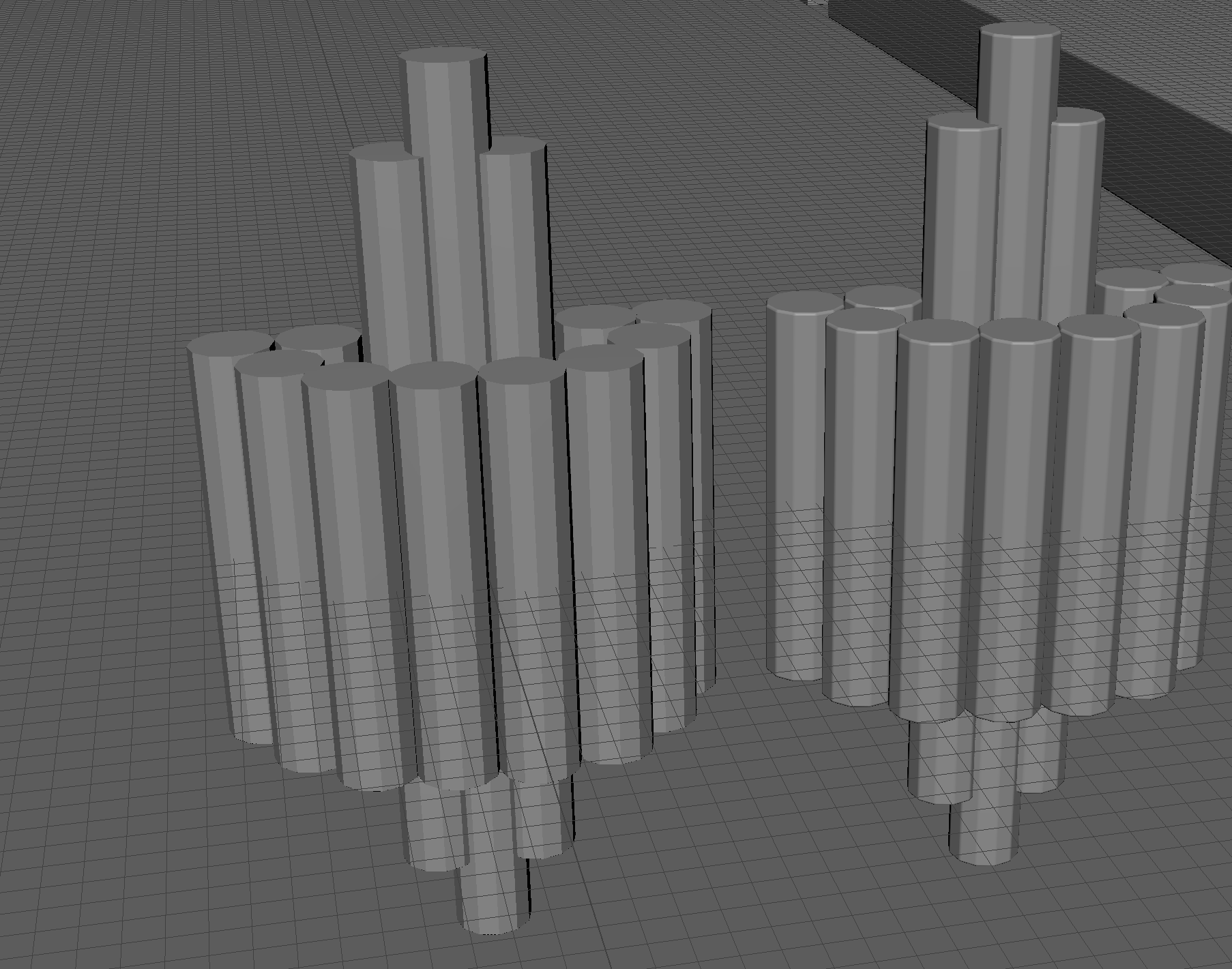
This image shows two identical models side by side, except that one is high-poly and the other is low-poly. You can see this in the difference in their level of detail. I placed them this way to make them easier to track in Maya. I also need to make sure they're perfectly centred perfectly on each other for the baking process.

19
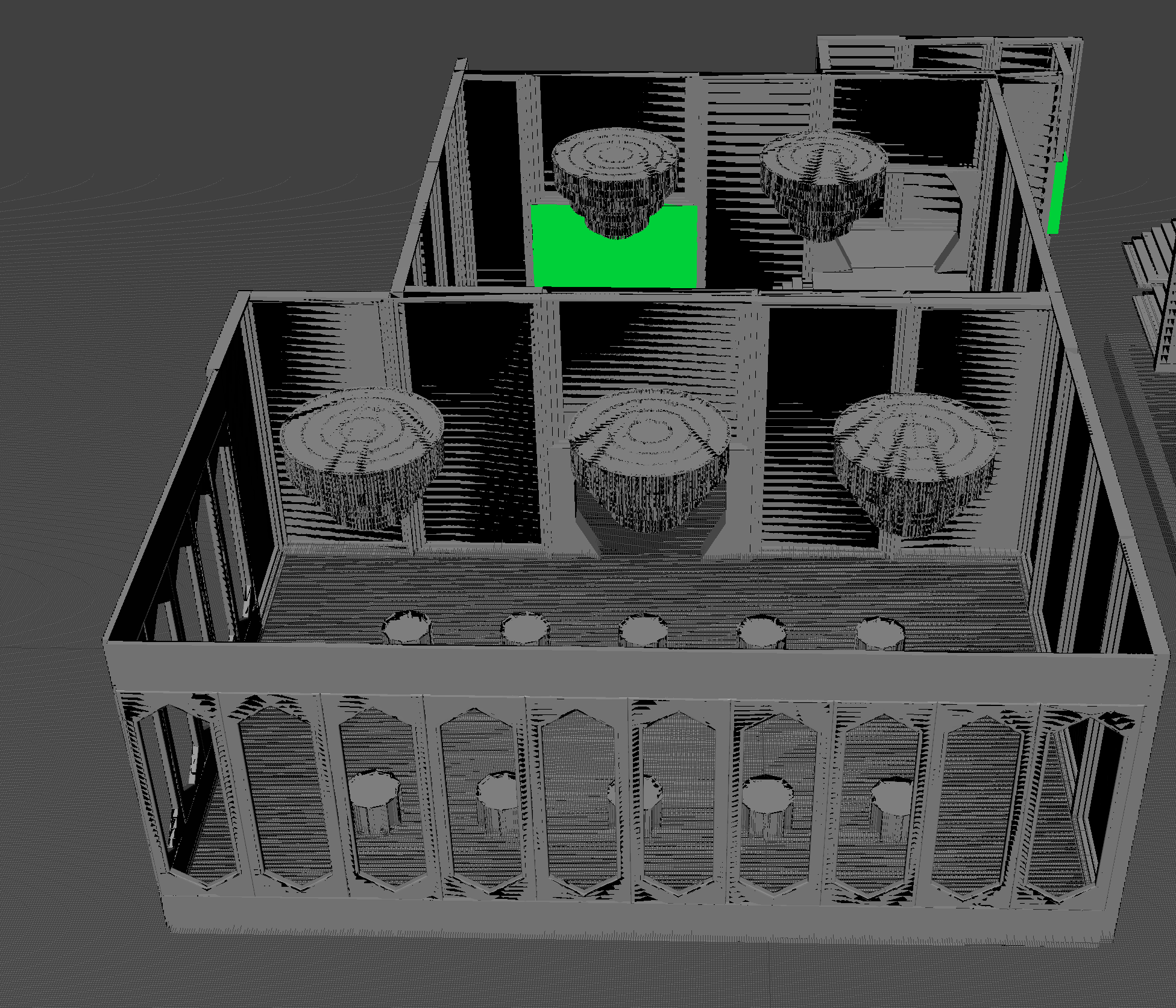
Maya Greybox
This was a greybox I created in Maya to build a floor plan and figure out which assets I would need to create.

20
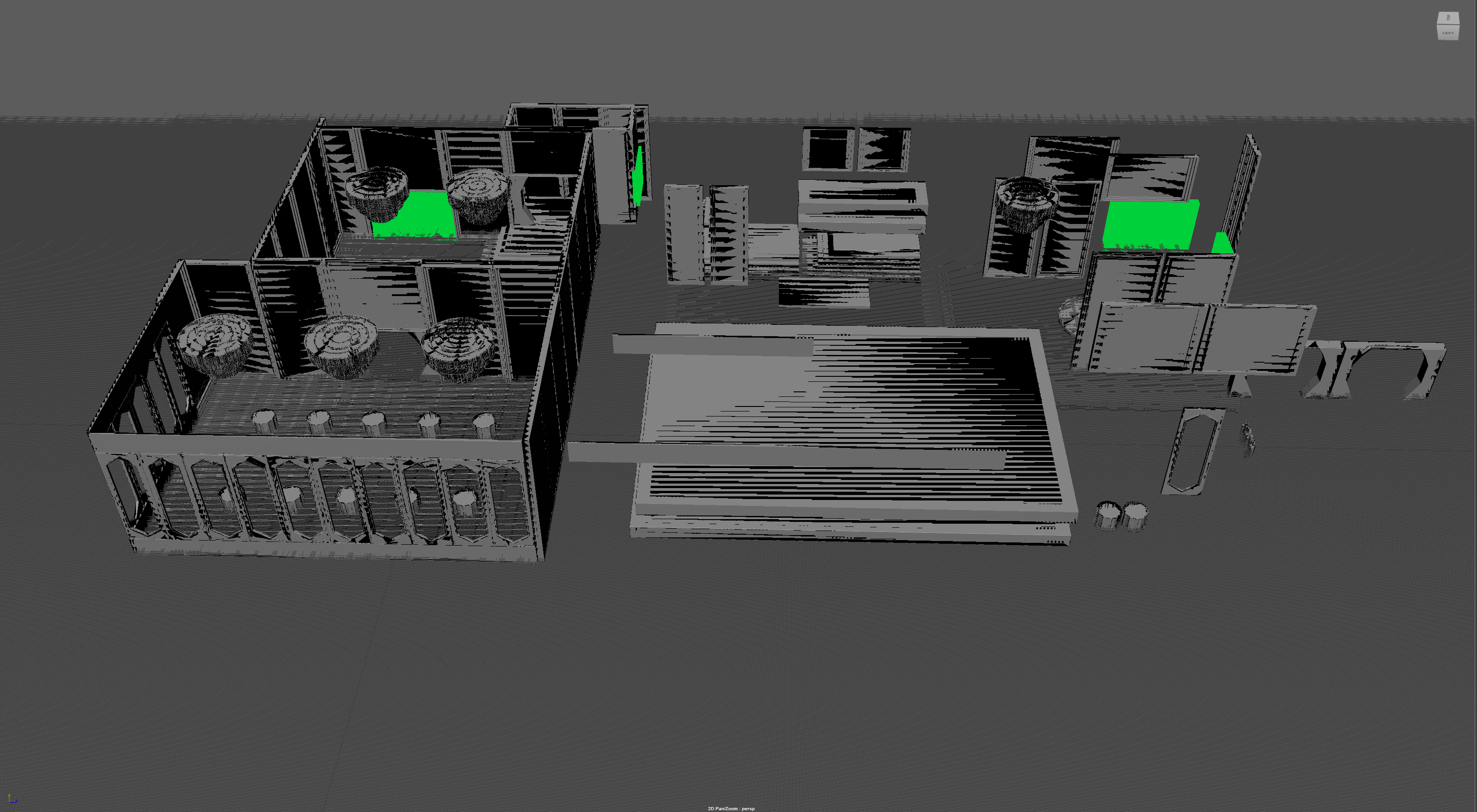
Maya Scene
- Environment based on a piece of media
- Environment based on a piece of media
- Gallery Render
- Gallery Render 2
- Lobby Render
- Entryway Render
- Engine Wireframe
- Exterior View (Unlit)
- Gallery Render (Unlit)
- Chandelier in Substance Painter
- Pedestal in Substance Painter
- Environment based on a piece of media
- Doorway in Substance Painter
- Environment based on a piece of media
- Environment based on a piece of media
- Environment based on a piece of media
- UV Unwrap
- Asset Export
- Maya Greybox
- Maya Scene
bottom of page